




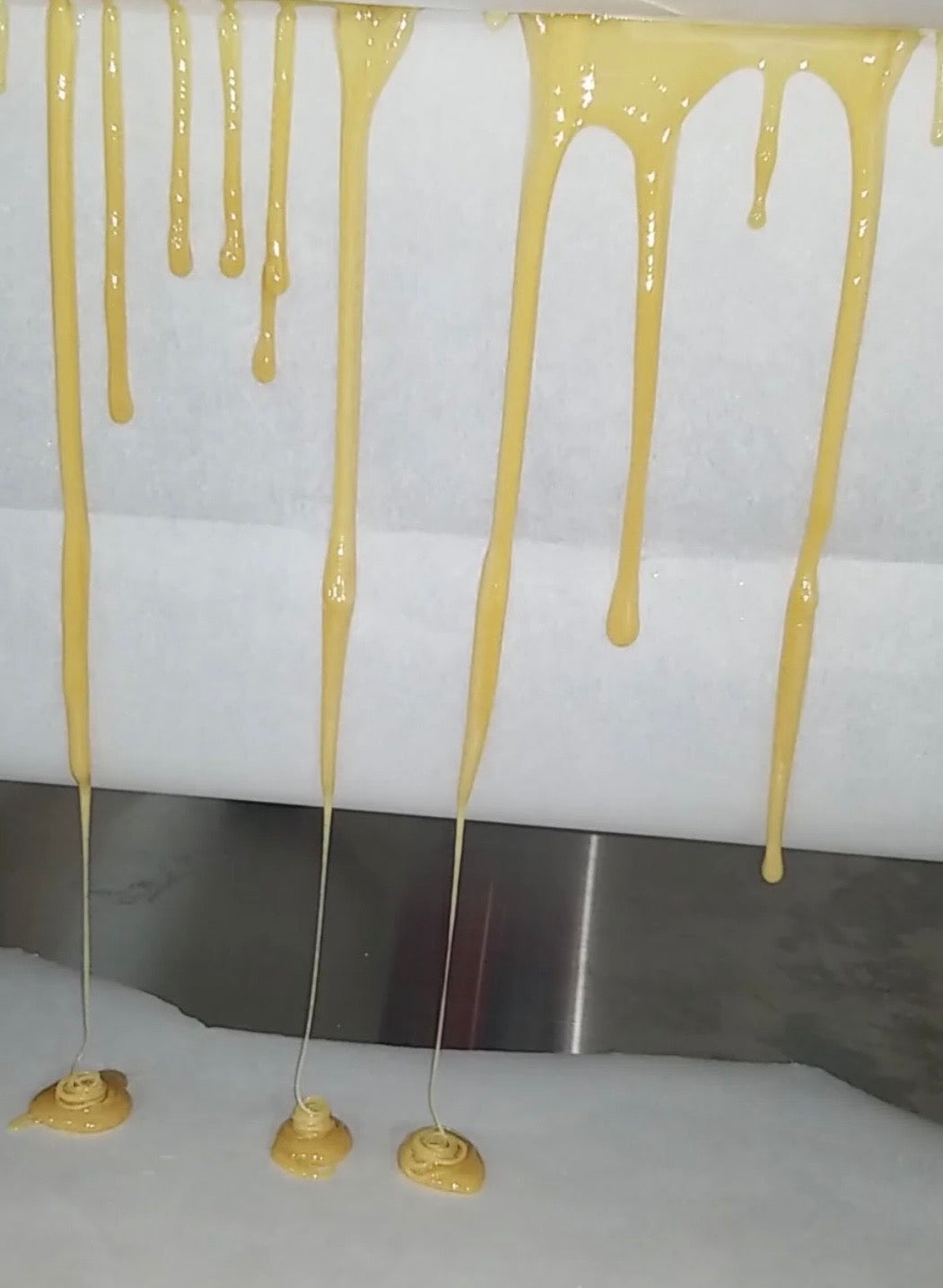
Solventless vs. Solvent Extraction: Understanding Cannabis Concentrate Production
Solventless vs. Solvent Extraction:
As cannabis concentrates continue to gain popularity, consumers are becoming more interested in how their products are made. One of the most important distinctions in the concentrate world is the difference between solventless extraction and solvent-based extraction. While both methods are designed to isolate valuable cannabinoids and terpenes from the cannabis plant, they use fundamentally different processes and produce unique end products.
Understanding these extraction methods can help consumers make informed decisions based on their preferences for purity, potency, flavor, and overall experience.
What Is Cannabis Extraction?
Cannabis extraction is the process of separating cannabinoids, terpenes, and other beneficial compounds from plant material to create concentrated products. These concentrates are commonly used in vape cartridges, dabs, edibles, tinctures, and other cannabis products.
The two primary categories of extraction are solventless extraction and solvent-based extraction.
What Is Solventless Extraction?
Solventless extraction uses mechanical processes such as pressure, heat, water, or agitation to separate trichomes from the cannabis plant without the use of chemical solvents.
Popular solventless concentrates include:
- Rosin
- Live rosin
- Bubble hash
- Dry sift hash
- Ice water hash
Because no solvents are introduced during production, many consumers view solventless concentrates as a more natural representation of the cannabis plant.
Benefits of Solventless Extraction
Purity
Since no solvents are used, solventless concentrates appeal to consumers seeking minimally processed products.
Terpene Preservation
Many solventless methods are designed to preserve the plant's natural terpene profile, resulting in rich aromas and flavors.
Simplicity
The extraction process relies on physical separation techniques rather than chemical reactions, making it easier for consumers to understand how the product is produced.
Potential Drawbacks
- Lower extraction yields
- Higher production costs
- Greater dependence on premium starting material
- Limited scalability compared to some solvent-based methods
What Is Solvent-Based Extraction?
Solvent extraction uses substances such as butane, propane, ethanol, or carbon dioxide (CO₂) to dissolve and separate cannabinoids and terpenes from cannabis plant material.
Common solvent-based concentrates include:
- Live resin
- Shatter
- Wax
- Budder
- Distillate
- Crumble
These methods have become popular because they can efficiently extract large amounts of cannabinoids while maintaining consistency across batches.
Benefits of Solvent Extraction
High Potency
Solvent extraction can produce concentrates with extremely high cannabinoid concentrations.
Efficiency
The process typically generates higher yields than solventless methods, making it attractive for commercial-scale production.
Product Variety
Manufacturers can create a wide range of textures and formulations suited for different consumption methods.
Scalability
Solvent extraction systems are often designed for larger production volumes, helping meet growing market demand.
Potential Drawbacks
- Requires specialized equipment
- Involves additional processing steps
- Consumers may prefer products that avoid solvents entirely
- Strict quality control is necessary to ensure proper purification
Solventless vs. Solvent Extraction: Key Differences
Extraction Method
Solventless extraction relies on pressure, heat, water, or mechanical separation. Solvent extraction uses chemical solvents to dissolve and isolate compounds from the plant.
Flavor and Aroma
Many cannabis enthusiasts believe solventless products provide a more authentic expression of the plant's terpene profile. However, high-quality solvent extracts can also preserve impressive flavor and aroma when produced correctly.
Yield
Solvent extraction generally produces higher yields, making it more efficient for large-scale manufacturing.
Cost
Because solventless extraction often requires premium starting material and lower-yield processes, these products frequently carry a higher retail price.
Consumer Preference
Some consumers prioritize potency and consistency, while others seek solventless products for their minimal processing and artisanal appeal.
Which Extraction Method Is Better?
Neither method is inherently better than the other. The best choice depends on individual preferences and desired outcomes.
Consumers looking for a solvent-free concentrate with robust flavor often gravitate toward live rosin and other solventless products. Those seeking maximum potency, variety, and affordability may prefer concentrates created through solvent-based extraction methods such as live resin or distillate.
Ultimately, both extraction methods play an important role in the modern cannabis industry and can produce exceptional products when crafted with high-quality starting material and proper manufacturing practices.
Final Thoughts
The debate between solventless and solvent extraction is less about which method is superior and more about understanding the strengths of each approach. Solventless concentrates offer a natural, minimally processed experience that highlights the plant's original characteristics, while solvent-based extracts provide efficiency, potency, and versatility.
As cannabis extraction technology continues to evolve, consumers have more options than ever before. By understanding how these products are made, you can confidently choose the concentrate that best aligns with your preferences, budget, and desired experience.